Explore Corner
Welcome to the Explore Corner of Between the Pages with Gay, a cozy, colorful nook where stories and feelings meet. This page is a gentle space for kids, grown-ups, and families to pause, notice what’s going on inside, and find support for big emotions.
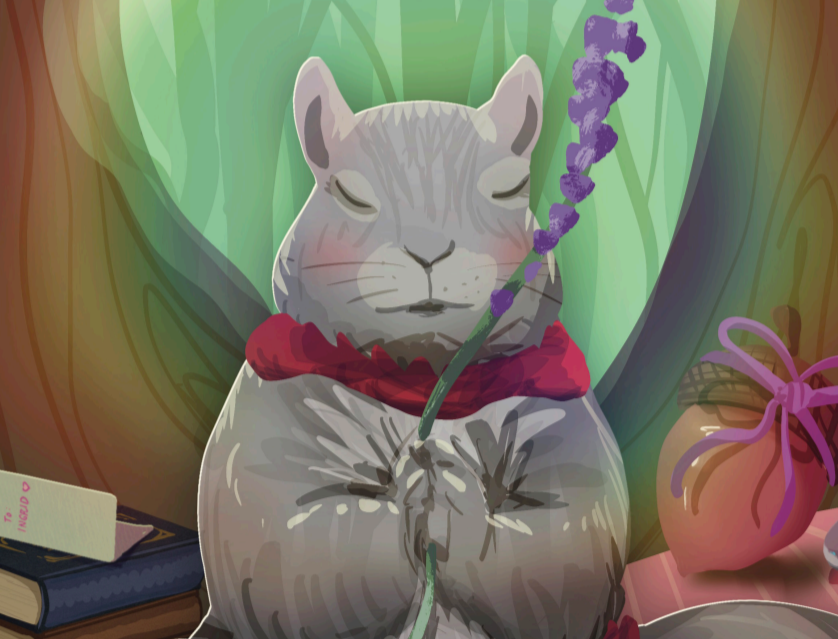
For Kids: How Are You Feeling Today?
Hi there, friend. This is your special corner to slow down, take a breath, and check in with your heart. Grown-ups have big feelings, and kids do too, and every single feeling you have is welcome here.
Take your time with these questions. You don’t have to answer all of them, you can just notice what feels true for you right now:
- What does your body feel like right now? (Does your tummy feel tight, is your heart beating fast, does your chest feel heavy, or something else?)
- Can you point to where you feel it in your body?
- Is there a color that matches how you feel today? What color is your feeling?
- If your feeling could talk, what do you think it would say?
- Did something happen today (or recently) that might have made you feel this way?
- What word best describes how you feel? (mad, sad, scared, worried, happy, confused, lonely, or another word you choose?)
- When you feel this way, what usually helps you feel even a little bit better? (a hug, drawing, reading, going outside, moving your body, talking to someone?)
- Who is one person you trust that you could talk to right now?
- What would you tell a friend who felt the same way you do?
- What’s one small, kind thing you could do to take care of yourself today?
- Is there a grown-up you trust who could help you with this feeling? What would you like to say to them?
Your feelings are real, they matter, and you are never alone. If something feels too big or too heavy to carry by yourself, that is a brave time to ask a trusted grown-up for help.
In Gay Lynn’s stories, characters like Ingrid learn that naming what helps her feel calm is a superpower. You have that superpower too. When you notice what’s going on inside, you can choose what might help: a story, a breath, a break, or a conversation with someone who cares. What helps you may not help someone else, but if someone asks what they can do for themselves you can help them by telling them what helps you.

For Grown-Ups: Helping a Child Identify Their Feelings
This section is for parents, caregivers, teachers, and other caring adults. Just like the characters in Gay Lynn’s books, children need calm, curious guides when their feelings feel confusing or overwhelming. Your steady presence matters more than perfect words.
Gentle, Open-Ended Questions
Try these questions to help a child notice, name, and share what they’re feeling:
- “Can you tell me what’s going on inside right now?”
- “Where do you feel it in your body?”
- “Does this feeling have a name?”
- “If your feeling were a color, what color would it be?”
- “If your feeling were an animal, what kind of animal would it be, and what would it be doing?”
- “Have you felt this feeling before? What helped then?”
- “What do you wish I knew about how you’re feeling?”
- “What would make you feel just a little bit better right now?”
- “Is there something you need from me, a hug, some space, a snack, or just someone to listen?”
- “Would you like to draw, write, take a walk or act out how you’re feeling? I can sit with you while you do.”
Care Tips for Grown-Ups
- Validate without minimizing. Try saying things like, “That sounds really hard,” or “I can see this is big for you,” instead of “It’s not a big deal.”
- Avoid rushing to fix. Before offering solutions, pause to listen. Children, just like adults, feel safer when they know they’re heard, not hurried.
- Create a judgment-free zone. Let kids know that all feelings are allowed, even the messy ones, and that they won’t get in trouble for sharing honestly.
- Stay regulated yourself. Your calm tone, soft eyes, and slow breaths help a child’s nervous system feel more settled.
- Use stories as bridges. Books, including Gay Lynn’s children’s stories, can offer gentle ways to talk about anxiety, courage, and getting help.
- Reach out for support. If a child’s feelings seem to be getting in the way of daily life, it can be a loving step to connect with a mental health professional.
For Friends: How to Help Someone You Care About
Sometimes, just like the friends in Gay Lynn’s stories, you might notice that someone you care about is having a tough day. You don’t have to fix their feelings, but you can offer kindness, listening ears, and a gentle heart.
- Have you asked your friend how they are feeling today?
- Can you say something like, “I’m here if you want to talk or just sit together”?
- What is one kind thing you could do for your friend today (like drawing them a picture, saving them a seat, or sending a nice message)?
- Could you ask, “Do you want a hug, a joke, or some quiet time?” and let them choose?
- Is there a way to include your friend in a game, story, or activity so they don’t feel left out?
- Can you remind your friend of a good memory you share, like a time you both laughed really hard?
- If your friend tells you something big or scary, can you encourage them to talk to a trusted grown-up, too?
- Who is one safe grown-up you could tell if you’re worried about your friend (a parent, teacher, counselor, coach, or another caregiver)?
- What is one kind thing you can also do for yourself when you feel worried about your friend (taking deep breaths, talking to your own grown-up, reading a story)?
Being a good friend doesn’t mean you have all the answers. It means you care, you notice, and you reach out for help from trusted adults when something feels too big to handle alone.

Mental Health Resources for Kids & Families
Big feelings are part of being human, and no one has to navigate them alone. These trusted resources offer information, tools, and support for children, teens, and families. If you or a child you love needs more help, these are good places to start exploring.
- Child Mind Institute (childmind.org) — Articles, guides, and videos about children’s mental health, learning differences, and behavior. Especially helpful for parents and caregivers, with kid-friendly tools you can use together.
- KidsHealth (kidshealth.org) — Easy-to-read articles, videos, and games about bodies, feelings, and health. Has sections made just for kids, teens, and parents.
- National Institute of Mental Health (nimh.nih.gov) — Research-based information on mental health conditions, warning signs, and treatment. Best suited for adults, parents, and caregivers who want detailed, science-backed information.
- National Alliance on Mental Illness (nami.org) — Education, support groups, and helplines for individuals and families living with mental health conditions. Especially supportive for parents, caregivers, and older teens looking for community.
- Crisis Text Line (crisistextline.org) — Free, 24/7 text support if you’re feeling overwhelmed. In the U.S. and Canada, you can text HOME to 741741 to be connected with a trained crisis counselor. Helpful for teens and adults.
- 988 Suicide & Crisis Lifeline (988lifeline.org) — Free, confidential support 24/7 for people in emotional distress or suicidal crisis. In the U.S., you can call or text 988, or chat online. Important for teens, adults, and caregivers.
- Verywell Family (verywellfamily.com) — Articles on child development, parenting, mental health, and family wellness. A helpful resource for parents and caregivers looking for practical tips and reassurance.
This page is not a replacement for professional care, but a gentle starting point. If something in your story or your child’s story feels especially heavy, reaching out for qualified support is a strong and loving next step.
If you’re curious how these themes show up in stories, you can always explore the books and shop the merchandise inspired by Ingrid’s courage and her friends’ big feelings.

